
Reading Teacher Online's mission is to empower parents to home tutor their child in reading and writing skills.
I provide the guidance and essential learning strategies for successful home tutoring
With the tools and strategies I provide, you can guide your child to master basic reading and writing skills—confidently and stress-free.

A Modern Perspective on Dyslexia
If your child is struggling with reading, you are probably aware of the term dyslexia. Definitions of the term vary widely, from simple explanations to complex ones.
A simple definition is: Dyslexia means difficulty with reading and writing.
A complex definition, as defined by the International Dyslexia Association, is:
"Dyslexia is a learning disability characterised by difficulties in word reading and/or spelling involving accuracy and speed."
As a parent of a struggling reader, your child's reading problems could be because of a learning difference, with other conditions possibly at play.
Learning challenges have a neurological basis. It is essential that your child receives a neurological assessment that will indicate the type of tutoring that best suits them.
A diagnosis of dyslexia does not mean your child cannot learn to read.
Or have you thought that perhaps your child is struggling because they have not received systematic teaching in reading, writing, and spelling?
Reading Teacher Online provides the insight and activities to support you in tutoring your child in the comfort of your home so that they master these essential skills.
Playing an active part in your child's reading development is rewarding. Keep in mind:
“The more that you read, the more things you will know. The more you learn, the more places you’ll go.”—Dr. Seuss.
Tutoring Sessions
The goal of each tutoring session is to provide a valuable human connection between you and your child and a reason for them to keep trying. As your child's home tutor, you will focus on 3 brain boosters plus developing their reading and writing skills.

Exercise Play Music
Your child's developing brain needs a multisensory approach to learning. Don't neglect diet, exercise, play, and music.

Reading and Writing are Skills
Literacy goes against our biological instincts, so people cannot learn it by chance; it requires patient teaching, practice, and step-by-step development.

Your Child's Needs
Before you tutor, you need a plan to get started. We can work on that together.There are tools and resources available to achieve positive results. Creating a safe and supportive home that enables your child's brain the freedom to learn is in your hands.
I can support you in doing this.

REVIEW YOUR CHILD'S READING SKILLS
CONTACT ME TO RECEIVE MY WEEKLY READING ACTIVITIES and FREE READING BEHAVIOURS CHECKLISTS
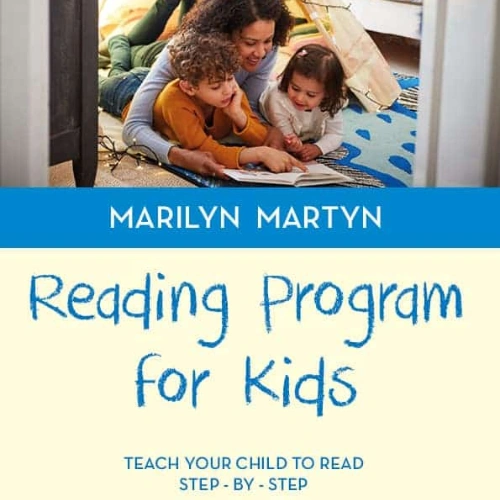
My Book is Available
It is for parents of children with reading difficulties who want to give their child the extra help they need. It provides lessons to teach a child to read step-by-step.
Contact Me for FREE Reading Behaviour Checklists
Reading Teacher Blog
Articles to Inform

Why Reading Is a Big Deal for a Child’s Brain

About the English Alphabet

Understanding Dyslexia: Beyond Reading and Writing
FAQ
The questions a parent wants answered.
Only a qualified professional—such as an educational psychologist, speech-language pathologist, or neuropsychologist—can formally diagnose dyslexia through comprehensive assessment.
It is critical to avoid making unfounded claims or self-diagnosing based solely on general struggles. Assuming a child has dyslexia without formal evaluation risks:
Misdirecting support: Interventions tailored for dyslexia may not help if the root issue involves vision, hearing processing, ADHD, or general language development.
Creating unnecessary anxiety: Premature labeling can discourage a child and distort expectations before facts are established.
Overlooking alternative causes: Many early reading difficulties, including occasional letter reversals, are typical developmental stages rather than neurological learning differences.
The most effective way to help your child with reading is to build a consistent daily routine that combines structured practice with positive reinforcement.
Read together daily: Alternate reading pages or sentences (shared reading) to model smooth pacing, tone, and pronunciation.
Target phonemic awareness: Practice breaking words into individual sounds (segmenting) and blending sounds together rather than relying on pure memorization.
Discuss the text: Ask open-ended questions before, during, and after reading to build comprehension and vocabulary.
Keep sessions short and positive: 15–20 minutes of stress-free daily practice is far more productive than long, frustrating sessions.
The Advantage of Teacher-Guided Home Tutoring
Conducting home tutoring under the guidance of an experienced teacher provides a crucial strategic edge:
Targeted diagnosis: An experienced teacher identifies the exact point of breakdown—such as phonics gaps, decoding speed, or vocabulary—so home sessions target root issues rather than symptoms.
Tailored roadmap: You receive level-appropriate materials and evidence-based strategies, ensuring home effort aligns directly with proven pedagogical methods.
Safe learning environment: Combining professional curriculum design with the low-pressure, familiar atmosphere of home allows the child to take risks and build confidence without classroom anxiety.
Yes, targeted tutoring helps children with reading by identifying specific learning gaps and providing the structured, one-on-one instruction that large classrooms often cannot accommodate.
The Advantage of Teacher-Guided Home Tutoring
Conducting tutoring at home under the guidance of an experienced educator maximizes these gains:
Expert Strategy: An experienced teacher designs a tailored, evidence-based roadmap addressing root issues (such as phonemic decoding, fluency, or comprehension) rather than relying on generic worksheets.
Low-Stakes Environment: Practicing in a familiar home setting reduces the performance anxiety common in classroom settings, allowing the child to take risks and make mistakes safely.
Consistency & Feedback: Regular teacher oversight ensures home sessions adapt quickly as the child masters each skill level.
Involving the Child & Building Confidence
Reading struggles frequently erode a child's self-esteem. Involving them directly in the process is essential to long-term success:
Visualizing Progress: Tracking small milestones together—like charting words mastered or reading speed gained—makes abstract growth tangible and motivates continued effort.
Fostering Autonomy: Involving the child in book selection and goal-setting gives them ownership of their learning rather than making reading feel like a chore.
Rebuilding Confidence: Replacing frustration with manageable, incremental wins transforms reading from an intimidating barrier into a rewarding, achievable skill.